

US Military Tanker Seizure: Inside the Dramatic Operation Near Venezuela
The US military tanker seizure captured global attention after newly released video footage showed American forces intercepting an oil tanker near the coast of Venezuela. In the short yet powerful 45-second clip, the U.S. Department of Justice (DOJ) showcased an intense moment that reflects the ongoing efforts to halt the transport of sanctioned oil in violation of international restrictions.
This dramatic release has sparked widespread discussion about how these maritime operations unfold, the legal framework behind them, and what the latest US military tanker seizure means for tensions involving Venezuela, Iran, and the United States.
To paint a clear picture of the event and its significance, here is a detailed look at everything we know so far.
US Military Tanker Seizure: What the Video Reveals
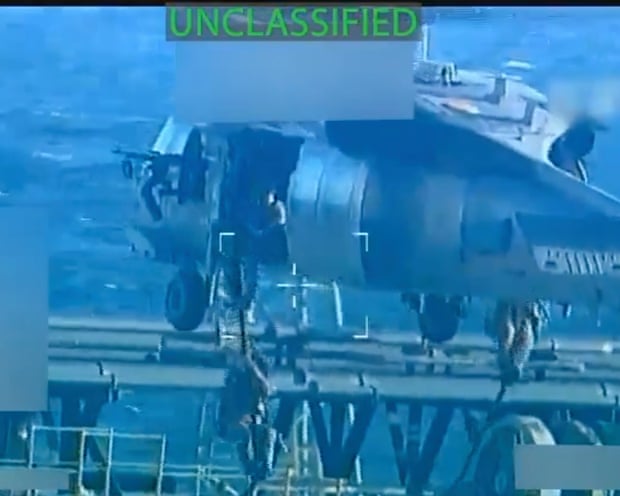
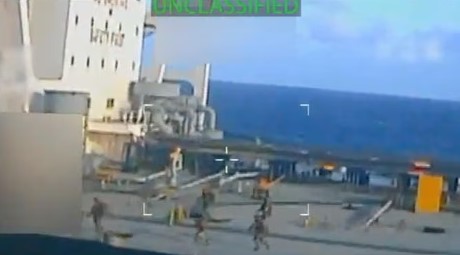
The newly published footage, which lasts just under a minute, begins with aerial views showing military helicopters approaching the targeted tanker. The video, posted by the DOJ and later amplified online, displays several U.S. military personnel advancing toward the vessel in a carefully coordinated maritime maneuver.
As the helicopters hover, what appear to be U.S. troops descend onto the ship, marking the beginning of a strategic boarding operation. According to the DOJ, this tanker was believed to be transporting sanctioned oil originating from both Venezuela and Iran, countries under strict U.S. economic restrictions.
Attorney General Pam Bondi shared the clip on social media, underscoring the federal government’s stance on cracking down on illegal oil shipments that bypass sanctions.
How US Military Seizure Operations Typically Work
To further explain the nature of operations like this US military tanker seizure, the BBC spoke with retired US Marine Corps Colonel Mark Cancian. His insight is consistent with long-standing practices in maritime security.
He explained that although these missions may appear dramatic, violence is actually rare. Most crews comply when confronted by the U.S. military or Coast Guard, and the procedures follow strict protocols:
Step-by-Step Overview of a Standard Seizure Operation
-
Identification – Authorities track ships suspected of transporting sanctioned cargo.
-
Approach – Helicopters or Coast Guard vessels move in to establish contact.
-
Announcement – The crew is instructed to cooperate with U.S. forces.
-
Boarding – Trained teams secure the deck and assess the cargo.
-
Inspection and Documentation – Officials determine whether the tanker is violating sanctions.
-
Seizure or Detainment – If illegal cargo is found, the tanker is redirected or taken into custody.
Colonel Cancian emphasized that although the operations look “aggressive,” they are conducted with caution and professionalism.
Political Context Behind the US Military Tanker Seizure
The seized tanker was allegedly part of a network facilitating the transport of oil that violates sanctions imposed on Venezuela’s state-run oil sector and Iran’s energy exports. These sanctions are part of long-standing U.S. efforts to pressure both governments over political and human rights issues.
President Donald Trump addressed the operation publicly, praising the U.S. Coast Guard and military personnel involved. This public confirmation added even more attention to the event, elevating the importance of the US military tanker seizure beyond a routine maritime enforcement action.
Why Sanctioned Oil Shipments Matter
Sanctions are a powerful economic tool aimed at restricting funding to governments deemed hostile or dangerous. Illicit shipments weaken the impact of these policies, making enforcement critical.
Key reasons the U.S. targets these tankers
-
Preventing illegal revenue streams
-
Weakening sanctioned governments’ ability to fund military activities
-
Upholding international law and maritime regulations
-
Protecting allied nations from unlawful oil trading networks
The latest US military tanker seizure reinforces the U.S. commitment to maritime security and economic enforcement.
How the DOJ and Coast Guard Coordinate These Missions
The Department of Justice collaborates closely with the U.S. Coast Guard, often leading what appear to be military operations even though the Coast Guard operates under the Department of Homeland Security. The Coast Guard has unique authority in maritime law enforcement, which is why it often leads these seizure missions.
The DOJ typically handles the legal aftermath, including asset forfeitures and prosecution in cases involving fraud, sanctions evasion, or smuggling.
This synergy was evident in the 45-second clip, reflecting years of interagency coordination.
Public Reaction to the US Military Tanker Seizure
Online commenters expressed a mixture of fascination and concern. Many praised the professionalism shown in the video, while others asked questions about the tanker’s crew and the political ramifications.
International affairs experts pointed out that releasing footage of operations like this is rare and often strategic. It signals transparency and demonstrates U.S. capability in maritime enforcement.
External DoFollow Links
-
Learn more about U.S. maritime sanctions enforcement at the U.S. Treasury: https://home.treasury.gov
-
Read BBC’s reporting on global security updates: https://bbc.com

