

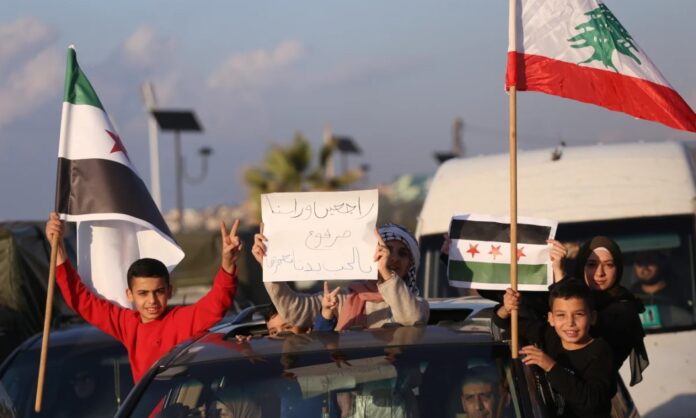
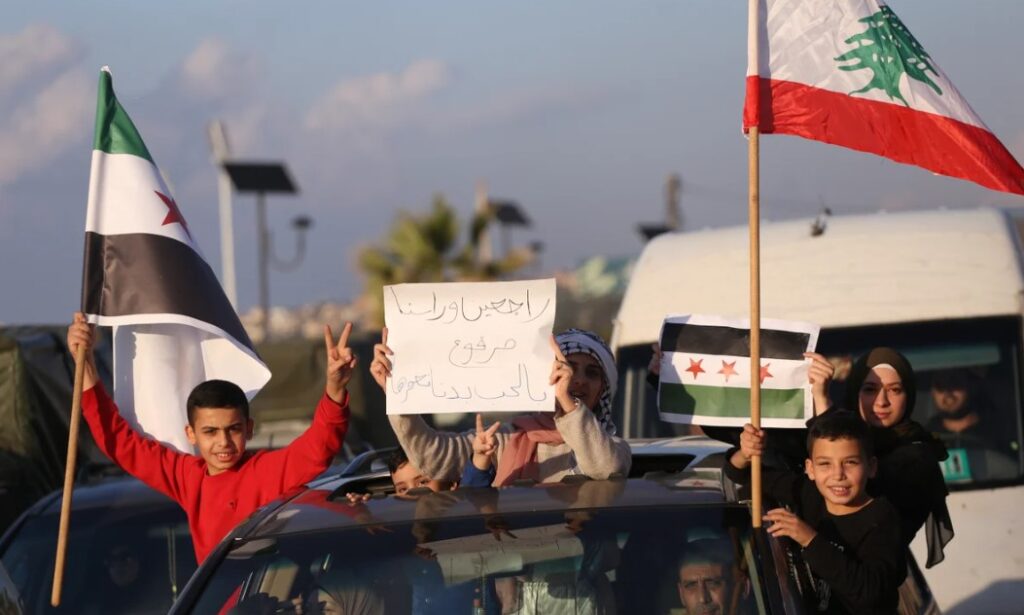
Syrian Life After Assad: One Year Later, Hope and Hardship Collide
Syrian Life After Assad has become a defining phrase for millions of Syrians reflecting on one of the most dramatic political shifts in the Middle East in decades.
Exactly one year ago, Bashar al-Assad’s 24-year rule came to an abrupt end. His departure closed the chapter on more than a decade of devastating civil war that reshaped every aspect of Syrian society.
Yet as the first anniversary passes, many Syrians say the revolution’s promise remains unfinished.
The Day Assad Fell Changed Everything
On December 8, 2024, Assad stepped down as president and fled to Russia, ending a dynasty that had ruled Syria since 1970.
For many citizens, the fall of Assad symbolized long-awaited justice after 13 years of brutal conflict, forced displacement, and economic collapse.
But Syrian Life After Assad has proven far more complex than celebration alone.
According to estimates from the United Nations, over 500,000 people were killed during the war, with millions more displaced internally and abroad.
(External DoFollow reference: https://www.un.org/)

A Year Later, the Dust Is Settling But the Pain Remains
Twelve months after the regime’s collapse, daily life in Syria is marked by cautious rebuilding and deep scars.
Damascus has reopened public spaces, and some businesses have returned. Markets buzz again, but beneath the surface, uncertainty dominates.
Inflation, unemployment, and shortages continue to shape Syrian Life After Assad, especially for families returning from exile.
Promises From the Interim Government
Syria’s interim government pledged to create an inclusive state, one that protects all citizens regardless of religion or ethnicity.
Officials repeatedly emphasized equality for Sunni Muslims, Alawites, Druze, Christians, and Kurds, describing national unity as the country’s only path forward.
However, translating those promises into reality has proven difficult.
Sectarian Tensions Still Haunt Syria
Despite official assurances, sectarian violence has not disappeared.
Over the past year, hundreds of Syrians from minority Alawite and Druze communities have been killed in targeted attacks.
Human rights groups allege that some assaults involved members of newly formed security forces, a claim that continues to fuel fear and distrust.
These tensions complicate Syrian Life After Assad, raising concerns about long-term stability.
Voices From Damascus Streets
BBC Middle East correspondent Hugo Bachega has been speaking with residents across Damascus, where emotions remain mixed.
Some Syrians describe a sense of relief, freedom to speak openly without fear of secret police or informants.
Others say grief outweighs freedom, pointing to lost family members, ruined homes, and shattered communities.
“We Are Free, But Not Whole”
One shop owner in Damascus said life feels “lighter, but emptier.”
“We gained our voice,” he explained, “but we lost too many people to celebrate.”
Such reflections capture the emotional weight of Syrian Life After Assad, a blend of hope, exhaustion, and mourning.
Security and Trust Remain Fragile
While large-scale fighting has ended, local security remains uneven.
In some neighborhoods, civilian patrols and local councils fill power gaps. In others, rumors of revenge attacks keep families indoors after dark.
Trust between citizens and armed groups remains fragile, posing a major challenge for Syria’s post-war recovery.
Economic Recovery Is Slow and Uneven
The fall of Assad did not instantly restore Syria’s economy.
Sanctions, damaged infrastructure, and limited foreign investment continue to slow progress.
The World Bank estimates billions of dollars will be required to rebuild housing, hospitals, and power grids.
(External DoFollow: https://www.worldbank.org/)
For many Syrians, Syrian Life After Assad still means surviving on remittances from relatives abroad.
Refugees Face Difficult Choices
More than six million Syrians remain refugees in neighboring countries and Europe.
While some have returned, many hesitate, uncertain about safety, jobs, or property rights.
The government has promised legal protections for returnees, but skepticism remains high.
A Psychological War That Didn’t End
Beyond politics and economics, the war left deep psychological wounds.
An entire generation grew up surrounded by violence and loss.
Mental health professionals warn that trauma will shape Syrian Life After Assad for years to come unless serious support systems are built.
Is Syria Moving Forward or Standing Still?
One year on, Syria stands at a crossroads.
There is no question the end of Assad’s rule reshaped the nation. But whether the revolution leads to lasting peace depends on accountability, inclusion, and patience.
Many Syrians say progress exists, but it is fragile, reversible, and incomplete.
Why This Anniversary Matters
Anniversaries are not just dates, they are mirrors.
For Syrians, this moment forces reflection on what was gained, what was lost, and what still lies ahead.
Syrian Life After Assad is not a finished story. It is an ongoing struggle to transform survival into stability, and memory into meaning.

