

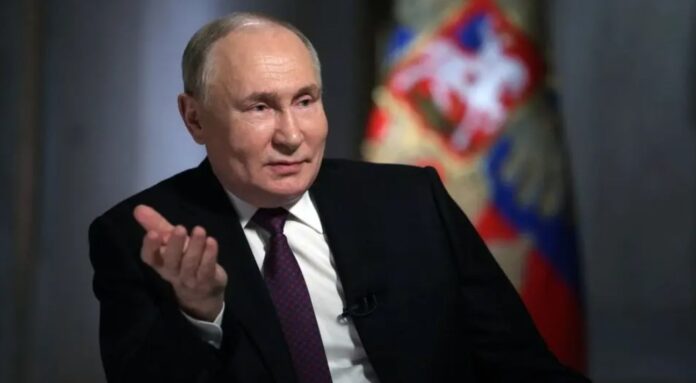
Putin BBC Western Leaders Debate Dominates Global Attention
Putin BBC Western leaders discussions took center stage during Russia’s annual end-of-year televised event, as President Vladimir Putin addressed questions about Russia’s future and its strained relationship with the West. Speaking with BBC Russia editor Steve Rosenberg, Putin delivered pointed remarks that quickly drew international attention.
The exchange offered insight into how the Russian president views current global tensions, placing responsibility on Western governments while rejecting claims that Russia intends to escalate conflict beyond its borders.
Putin BBC Western Leaders Exchange During Televised Event
The Putin BBC Western leaders moment unfolded during a nationally broadcast question-and-answer session watched by millions across Russia. These annual events allow journalists and citizens to raise questions directly with the president.
Steve Rosenberg asked Putin about his long-term vision for Russia and whether confrontation with the West could be avoided. Putin responded by saying Russia expects respect and honest engagement rather than what he described as repeated misrepresentations by Western politicians.

Putin Accuses Western Leaders of Creating Current Crisis
A key theme of the Putin BBC Western leaders conversation was blame. Putin stated that Western governments “created the current situation with their own hands,” arguing that decisions made over many years contributed to rising distrust.
He claimed Western officials frequently speak about preparing for conflict with Russia, a narrative he says fuels unnecessary fear and instability. According to Putin, these statements misrepresent Russia’s intentions and harden diplomatic divisions.
For background on NATO-Russia relations, see coverage from the BBC (DoFollow).
Putin Rejects Claims of Russian Expansion Plans
During the Putin BBC Western leaders discussion, the Russian president dismissed suggestions that Russia plans to attack European countries. He described such claims as “nonsense” and said they are used to justify military spending and political pressure.
Putin argued that fear-based messaging benefits Western leaders domestically while damaging international trust. He insisted Russia’s focus remains on national security rather than territorial expansion.
Analysts note that these comments align with Russia’s long-standing public stance, though Western governments continue to view Moscow’s actions with caution.
Putin BBC Western Leaders and the Call for Mutual Respect
Another central point in the Putin BBC Western leaders exchange was respect. Putin emphasized that Russia seeks equal treatment on the global stage and does not want to be spoken to “from a position of superiority.”
He suggested that dialogue based on mutual recognition of interests could ease tensions, but only if Western governments change their approach. According to Putin, lectures and ultimatums undermine diplomacy rather than strengthen it.
For diplomatic context, the United Nations provides insight into international conflict resolution efforts (DoFollow).
Western Response to Putin’s Remarks
Western leaders have not issued immediate unified responses to the Putin BBC Western leaders comments, but officials have previously rejected accusations of deception. Many argue that NATO and EU policies are defensive rather than aggressive.
Political observers point out that such exchanges often harden positions on both sides, making compromise more difficult. Media coverage across Europe and North America highlighted Putin’s tone as firm but calculated.
For broader geopolitical analysis, refer to Council on Foreign Relations reports (DoFollow).
Why the Putin BBC Western Leaders Interview Matters
The Putin BBC Western leaders interview matters because it reflects how Russia wants its narrative understood internationally. By choosing a Western media outlet, Putin ensured his message reached audiences beyond Russia’s borders.
Experts say these interviews are as much about global perception as domestic reassurance. Putin’s remarks reinforce a message that Russia sees itself as reacting to external pressure rather than initiating confrontation.
This messaging plays a role in shaping public opinion and diplomatic positioning.
Domestic Audience and International Messaging
Inside Russia, the Putin BBC Western leaders exchange reinforced themes commonly emphasized in state messaging: sovereignty, resilience, and skepticism toward Western motives.
Internationally, the interview sparked renewed debate about responsibility for current tensions. Some viewers saw Putin’s remarks as deflection, while others viewed them as a call for reassessing diplomatic strategies.
Understanding both interpretations is key to grasping the broader geopolitical picture.
Media Strategy Behind Putin’s Statements
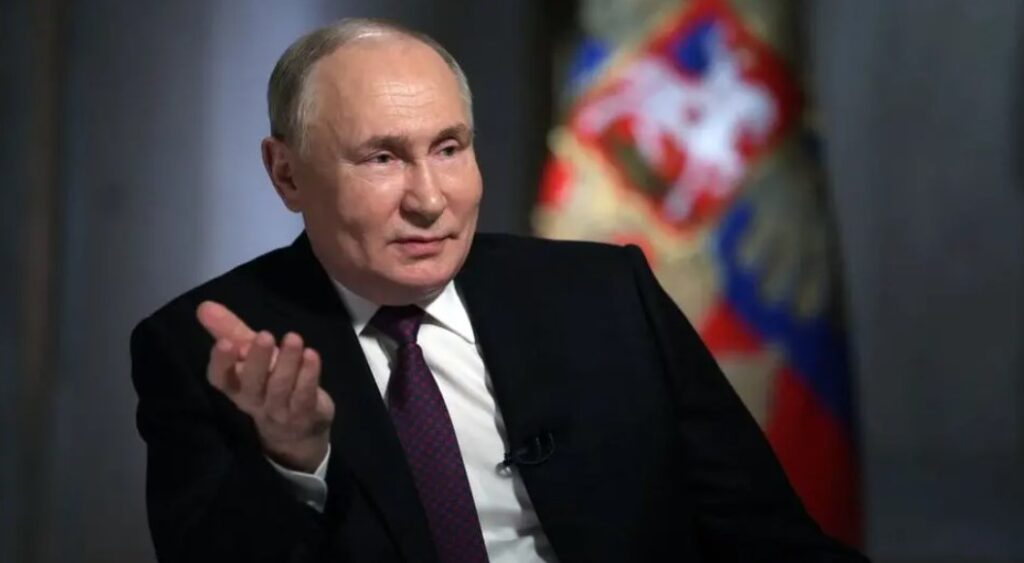
Media analysts note that the Putin BBC Western leaders conversation was carefully framed. Putin avoided inflammatory language while still delivering strong criticism, allowing his remarks to be widely quoted without escalation.
Such communication strategies are common in high-stakes international politics, where tone can influence markets, alliances, and public sentiment.
For related coverage, read our internal analysis on Global Political Interviews.
What Comes Next After the Interview?
The Putin BBC Western leaders exchange is unlikely to immediately change policy, but it contributes to the ongoing narrative shaping Russia-West relations.
Diplomatic experts say progress depends on sustained dialogue rather than isolated statements. Whether Western leaders respond publicly or through behind-the-scenes channels remains to be seen.
As global tensions persist, such interviews will continue to draw close scrutiny.
Final Perspective
The Putin BBC Western leaders discussion offered a clear view of Russia’s official stance: frustration with Western policies, denial of aggressive intentions, and a call for respect. While opinions differ sharply on these claims, the exchange highlights the deep divide shaping today’s global politics.
Understanding these perspectives is essential for anyone following international affairs.

