

Hawaii Volcano Eruption: Incredible Moment Lava Engulfs Camera at Kilauea
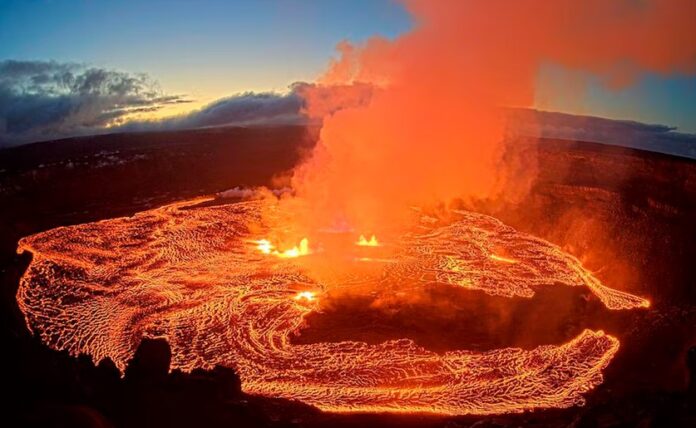
The Hawaii volcano eruption at Kilauea delivered a breathtaking and dramatic reminder of nature’s raw power when lava surged directly toward a monitoring camera, swallowing it in ash and heat. The stunning moment was captured on video before the feed glitched, flickered, and abruptly went dark, leaving viewers stunned.
Footage released by the United States Geological Survey (USGS) shows how quickly conditions changed as molten lava surged across the surface, sending glowing fountains skyward and pushing volcanic debris toward the remote device.
This unforgettable Hawaii volcano eruption moment is now being shared widely online, not just for its visuals, but for what it reveals about how unpredictable and powerful active volcanoes remain.
Hawaii Volcano Eruption Knocks Monitoring Camera Offline
The eruption took place at Kilauea, located inside Hawaii Volcanoes National Park—one of the most carefully monitored volcanic sites in the world.
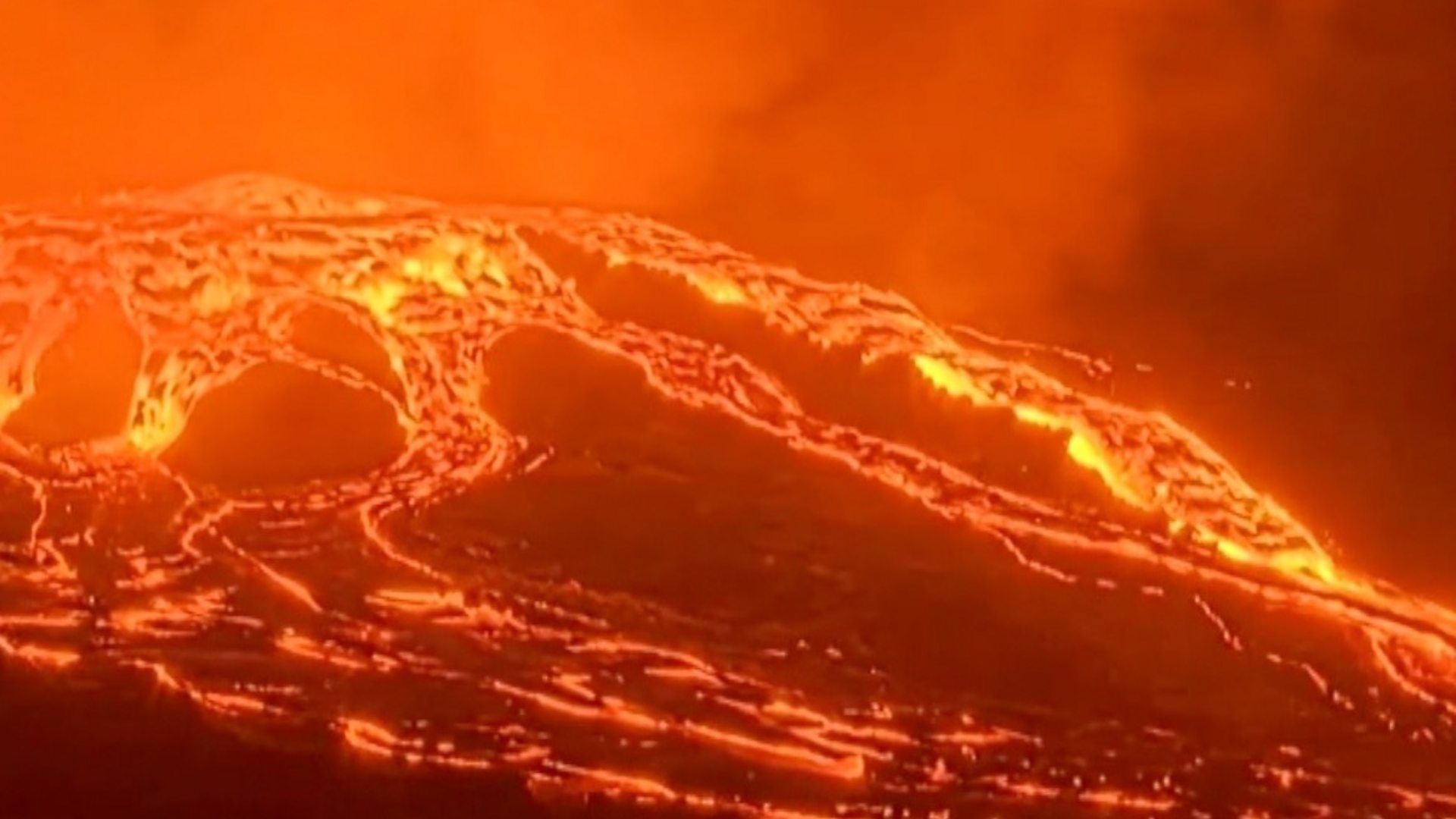
According to the USGS, the remote camera was positioned to capture lava flow patterns safely from a distance. However, during this Hawaii volcano eruption, lava and ash advanced faster than expected.
Viewers watching the live feed saw the image begin to distort. The screen glitched. Static took over. Then—nothing.
The camera was physically overwhelmed by volcanic ash and heat, cutting the feed completely.
You can learn more about how volcano monitoring works through the USGS official site (DoFollow):
https://www.usgs.gov/
Lava Fountains Reach 100 Feet During Hawaii Volcano Eruption
One of the most striking details from this event was the height of the lava fountains.
USGS scientists confirmed that lava jets rose up to 30 meters (100 feet) into the air. These glowing arcs lit up the night sky and sent molten rock raining back down around the vent.
This explosive activity is not unusual for Kilauea, but witnessing it so close, through the eyes of a now-destroyed camera, gave people a rare sense of scale and danger.
The Hawaii volcano eruption displayed both beauty and risk in equal measure.
Why Kilauea Volcano Is One of the Most Active on Earth
Kilauea is widely recognized as one of the world’s most active volcanoes.
Located along the southeastern flank of Mauna Loa, Kilauea sits above a powerful hotspot beneath the Pacific Plate. This constant flow of magma means eruptions occur frequently—sometimes gently, sometimes explosively.
The current Hawaii volcano eruption follows a pattern of intermittent activity that began in December of the previous year. Since then, scientists have recorded multiple pauses and reactivations.
For visitors and researchers alike, Kilauea represents a living laboratory of Earth’s geology.
More background on volcano activity worldwide can be found via National Geographic (DoFollow):
https://www.nationalgeographic.com/
How Scientists Monitor a Hawaii Volcano Eruption
Modern volcano monitoring relies heavily on technology.
At Kilauea, scientists use:
-
Remote cameras
-
Seismic sensors
-
Gas detectors
-
Satellite imaging
The camera lost during this Hawaii volcano eruption was one of many placed around the crater. While its destruction looks dramatic, experts say the loss of one camera does not compromise overall safety monitoring.
Data continues flowing from other instruments positioned farther away.
This layered monitoring approach helps authorities quickly issue alerts and protect nearby communities.
Public Safety During a Hawaii Volcano Eruption
Despite the dramatic visuals, officials confirmed there were no injuries linked to this eruption.
Lava remained contained within designated areas of Hawaii Volcanoes National Park, which already has restricted access zones during volcanic activity.
Park officials continue to urge visitors to follow safety signs and advisories, especially as conditions can change rapidly during an active Hawaii volcano eruption.
For official park updates, readers can check the National Park Service website (DoFollow):
https://www.nps.gov/
Viral Footage Sparks Global Fascination
Once the footage of the camera being consumed by lava was released, reactions poured in.
Social media users called the clip:
-
“Terrifying but beautiful”
-
“Nature reminding us who’s boss”
-
“Straight out of a movie”
The Hawaii volcano eruption clip quickly gained traction on news platforms, illustrating how real-time science footage can emotionally connect audiences to natural events.
Moments like this also highlight why documenting Earth’s processes is so important, even when equipment doesn’t survive.
Why Hawaii Volcano Eruption Events Matter Globally
Volcanic eruptions aren’t just local events.
Studying a Hawaii volcano eruption helps scientists better understand:
-
Earth’s internal heat
-
Plate tectonics
-
Gas emissions and climate impact
-
Future eruption warning signs
Kilauea’s frequent activity provides invaluable data used across global volcanic research efforts.
Each eruption, captured or not, adds to a broader understanding of how our planet functions beneath the surface.
What Comes Next for Kilauea Volcano
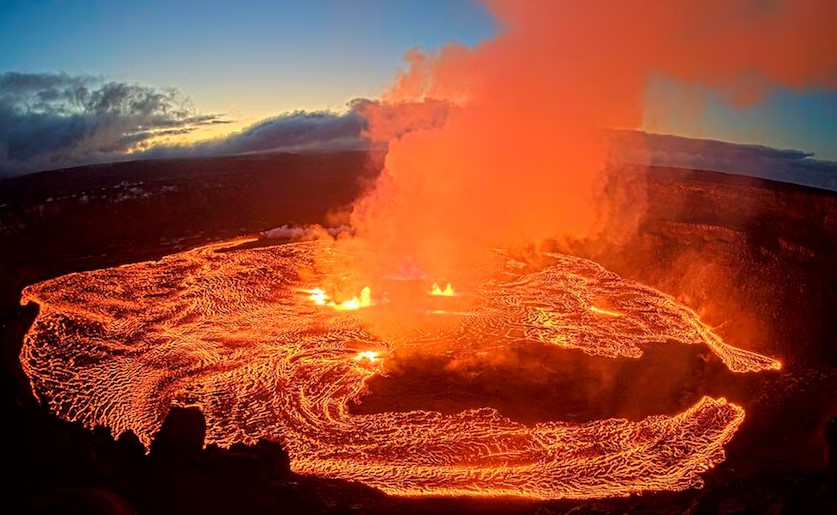
USGS scientists report that Kilauea remains in an active but closely monitored phase.
While eruptions can pause suddenly, renewed lava flows are always possible. Officials continue daily monitoring and updates.
The latest Hawaii volcano eruption serves as another reminder that this famed volcano never truly rests, it only waits.
Final Thoughts on the Hawaii Volcano Eruption
From towering lava fountains to the split-second loss of a monitoring camera, this Hawaii volcano eruption delivered a powerful visual reminder of Earth’s intensity.
While technology allows us to witness these moments up close, nature still sets the rules.
And sometimes, it turns the cameras off itself.

