

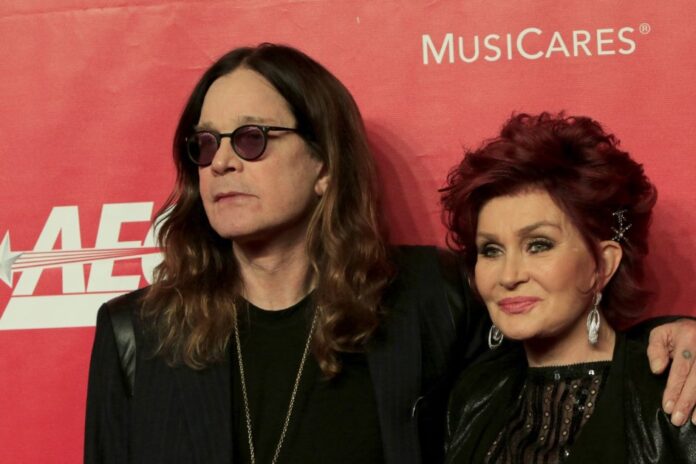
Sharon Osbourne Suicide Pact and the Choice That Changed Everything
Sharon Osbourne suicide pact discussions resurfaced after the death of her husband, legendary Black Sabbath frontman Ozzy Osbourne, prompting renewed public attention on a deeply personal chapter of her life. Years earlier, Sharon had openly spoken about an agreement the couple once made, one rooted in fear, illness, and love. Yet, in the end, she chose a different path.
Today, Sharon Osbourne says she is still here for one reason above all else: her children.
This story is not about despair. It is about resilience, responsibility, and the quiet strength that comes from choosing to stay.

The Origin of the Sharon Osbourne Suicide Pact
The Sharon Osbourne suicide pact was first mentioned publicly in 2007, when Sharon candidly discussed the emotional strain she and Ozzy faced during some of the darkest periods of their lives. At the time, Ozzy’s declining health, combined with years of personal struggles, weighed heavily on the family.
Sharon explained that the pact came from fear, fear of prolonged suffering, loss of dignity, and becoming a burden on loved ones. It was never spoken of lightly.
However, as time passed, Sharon’s perspective changed.
Why Sharon Osbourne Walked Away From the Pact
The Sharon Osbourne suicide pact ultimately did not define her future. Sharon later revealed that her children, Aimee, Kelly, and Jack, became the reason she could not follow through on that agreement.
She acknowledged that grief may alter your thinking, but responsibility changes your choices.
In interviews, Sharon has emphasized that motherhood grounded her. The emotional impact her death would have had on her children became impossible to ignore.
“My kids are the reason I’m still here,” she shared during a past interview.
That realization became a turning point.
Life After Ozzy Osbourne’s Death
After Ozzy Osbourne’s passing, the Sharon Osbourne suicide pact resurfaced in public conversation, but Sharon made it clear that the pact belonged to another time in her life, one shaped by fear rather than clarity.
Grief, she explained, is not a single emotion. It arrives in waves. Some days are heavy, others manageable. But choosing to live does not mean choosing to forget.
Sharon continues to honor Ozzy’s legacy through remembrance, family unity, and public honesty.
You can explore Ozzy Osbourne’s cultural impact through his official legacy page at the Rock & Roll Hall of Fame (DoFollow).
A Mother’s Responsibility Overwhelms Grief
One of the most powerful aspects of Sharon’s story is how responsibility reshaped her decisions. The Sharon Osbourne suicide pact was overridden by a simple truth: grief does not exist in isolation.
Her children, all of whom have faced their own public struggles, needed stability. Sharon recognized that her absence would leave a permanent wound.
That awareness, she says, outweighed the pain of loss.
Public Honesty and Mental Health Awareness
Sharon Osbourne has long been open about mental health, addiction, and emotional survival. Discussing the Sharon Osbourne suicide pact was never about seeking attention, it was about honesty.
Mental health advocates stress that open conversations help reduce stigma and encourage people to seek help during moments of crisis.
Organizations like the National Alliance on Mental Illness (DoFollow) emphasize that speaking openly, when done responsibly, can save lives.
Sharon Osbourne’s Strength in Reinvention
Rather than retreat from public life, Sharon gradually redefined herself. She continued her work in television, advocacy, and philanthropy while maintaining strong family bonds.
The Sharon Osbourne suicide pact became not a defining moment, but a contrast to who she ultimately chose to be.
Her story reflects how people evolve. Decisions made in pain do not have to determine a lifetime.
How Family Changed the Outcome
Family remains the central theme in Sharon’s life. Even amid personal controversy, loss, and public scrutiny, her identity as a mother stayed constant.
Sharon has said that choosing to live was not an act of bravery, but an act of love.
For related celebrity resilience stories, read our internal feature on Public Figures Who Found Strength After Loss.
The Broader Conversation Around Loss
The renewed attention on the Sharon Osbourne suicide pact has sparked broader discussions about how people process grief differently. There is no universal roadmap for loss.
Experts note that grief can temporarily distort thinking, especially when compounded by illness or long-term stress. Support systems, therapy, and time all play critical roles in recovery.
Resources from the American Psychological Association (DoFollow) explain how grief evolves and why major decisions should never be made in isolation.
Sharon Osbourne’s Message Today
Looking back, Sharon Osbourne does not romanticize the pact. Instead, she speaks about growth, clarity, and the importance of staying present for those who still need you.
The Sharon Osbourne suicide pact represents a moment—not a destiny.
Her story stands as a reminder that even in the deepest grief, perspective can shift—and life can still hold purpose.
Final Reflection
Sharon Osbourne’s journey is not about tragedy, it is about choice. The decision to stay, to endure, and to protect those she loves most became her legacy after loss.
And sometimes, that quiet decision is the most powerful one of all.

