

Washington State Flooding Damage Reveals Widespread Destruction
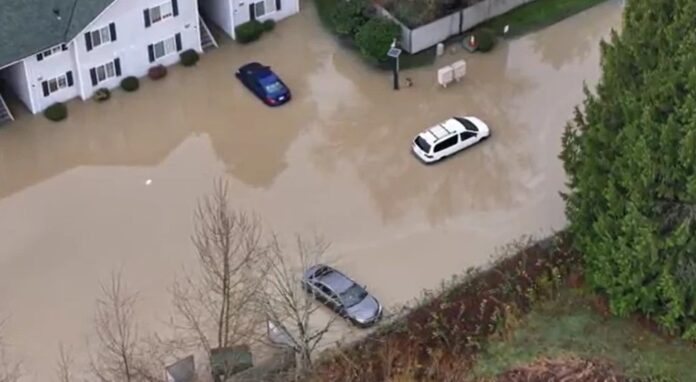
Washington state flooding damage has intensified following a second wave of heavy rainfall, leaving communities underwater and prompting renewed evacuations across several regions. Drone footage released this week shows the full scale of destruction, from submerged roadways to overwhelmed neighborhoods struggling to cope with relentless rain.
Officials confirmed that at least one person has died after a vehicle was completely submerged during the flooding. The incident occurred as rainstorms swept through the state once again, compounding the impact of last week’s historic flooding.
Drone Footage Captures Washington State Flooding Damage
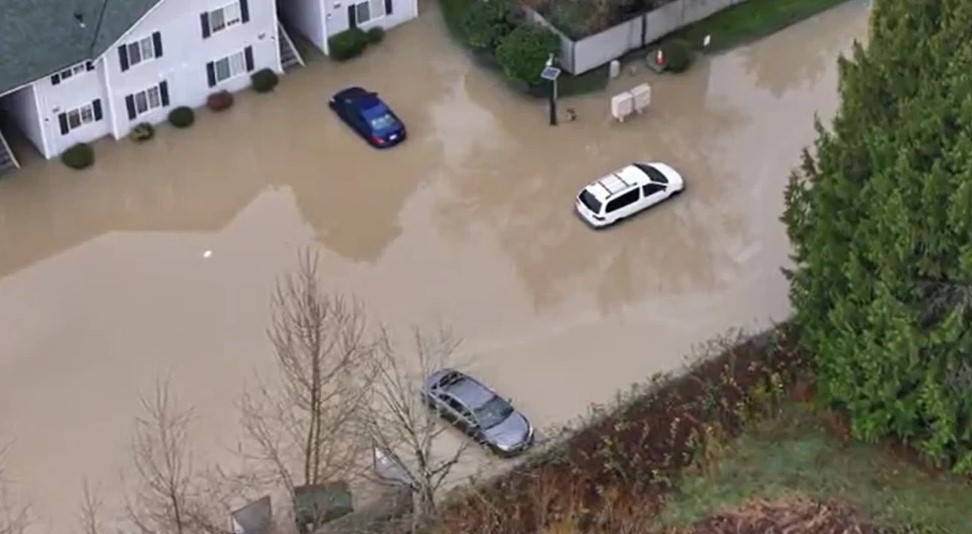
The Washington state flooding damage became especially clear through aerial drone footage that circulated online and across news broadcasts. From above, entire streets appear transformed into rivers, with cars partially or fully underwater and homes surrounded by floodwaters.
Emergency responders say the footage helps them assess damage faster, identify stranded residents, and prioritize rescue operations. However, it also highlights just how quickly conditions deteriorated after renewed rainfall hit already saturated ground.

Second Round of Heavy Rain Worsens Conditions
This latest storm system arrived before many areas had time to recover from the previous flooding event. The Washington state flooding damage worsened as rivers rose rapidly, drainage systems failed, and levees breached in several locations.
Meteorologists say the soil was already oversaturated, meaning even moderate rainfall quickly turned into dangerous runoff. Low-lying communities were hit hardest, especially near rivers and flood plains.
According to the National Weather Service (DoFollow), moderate to heavy rain is expected to continue moving through parts of Washington, increasing the risk of additional flooding.
Fatal Incident Highlights Flood Dangers
Authorities confirmed that at least one fatality occurred when a car became fully submerged in floodwaters. Officials did not release the victim’s identity but emphasized that driving through flooded roads remains one of the most dangerous decisions during severe weather.
The Washington state flooding damage serves as a tragic reminder of how quickly water levels can rise and overwhelm vehicles. Emergency services continue urging residents to avoid flooded roads and heed evacuation warnings.
Levee Failures Trigger New Evacuations
Levee failures have played a significant role in escalating the Washington state flooding damage. In several counties, weakened levees gave way under pressure, forcing additional evacuations and emergency responses.
Residents were given limited time to leave as water surged into nearby neighborhoods. Temporary shelters have been opened, and local officials are coordinating with state agencies to provide assistance.
You can learn more about flood preparedness and levee safety through the U.S. Army Corps of Engineers (DoFollow).
Communities Struggle With Repeated Flooding
For many Washington residents, this is not their first experience with flooding—but the frequency and intensity are becoming harder to manage. The Washington state flooding damage has disrupted daily life, closed schools, damaged businesses, and cut off transportation routes.
Local officials say recovery efforts from last week’s flooding were still underway when the second storm arrived, stretching emergency resources thin.
Community volunteers and aid organizations have stepped in to provide food, supplies, and temporary housing for displaced families.
Why Washington Is Experiencing Extreme Flooding
Experts point to a combination of atmospheric river storms, warmer temperatures, and prolonged rainfall as key factors behind the Washington state flooding damage.
Atmospheric rivers funnel massive amounts of moisture from the Pacific Ocean into the Pacific Northwest, often resulting in intense and prolonged rainfall. When these systems stall, flooding risks increase significantly.
The National Oceanic and Atmospheric Administration (DoFollow) has warned that climate-driven weather patterns are making such events more frequent and severe.
Emergency Response and Ongoing Monitoring
State and local agencies remain on high alert as rain continues. The Washington state flooding damage is being monitored around the clock using river gauges, satellite data, and drone surveillance.
Emergency management officials are advising residents in flood-prone areas to prepare go-bags, stay informed through official alerts, and be ready to evacuate if conditions worsen.
For ongoing coverage of extreme weather impacts, see our internal report on Severe Weather Emergencies Across the US.
Infrastructure Damage and Long-Term Impact
Beyond immediate dangers, the Washington state flooding damage is expected to have long-term effects on infrastructure. Roads, bridges, and utility systems have sustained damage that may take months to repair.
Agricultural areas have also been affected, with flooded fields raising concerns about crop losses and economic impact on local farmers.
State officials say damage assessments are ongoing and may influence future funding for flood mitigation and infrastructure upgrades.
Residents Share Stories of Loss and Survival
Many residents described waking up to water rushing into their homes with little warning. Some were rescued by boat, while others managed to evacuate on foot before floodwaters rose too high.
Despite the devastation, stories of neighbors helping neighbors have emerged—offering shelter, sharing supplies, and assisting first responders.
The Washington state flooding damage has tested communities, but it has also highlighted resilience and solidarity during crisis.
What Residents Should Do Next
Officials recommend that residents:
-
Avoid flooded areas and roadways
-
Follow evacuation orders immediately
-
Monitor weather alerts from trusted sources
-
Document property damage for insurance claims
Staying informed remains critical as conditions continue to evolve.
Final Thoughts
The unfolding situation in Washington underscores how quickly extreme weather can escalate into life-threatening emergencies. As rain continues to fall, authorities and residents alike remain focused on safety, recovery, and preparedness.
The full extent of the Washington state flooding damage will take time to assess, but the immediate priority remains protecting lives.

